















A product I built and ran

Reelry: AI short-video generation

A web app that turned a topic, a script or a single product photo into a finished vertical video in the customer’s brand style. I designed, built and operated it on my own, from the first commit in February 2026 to closing it to new accounts in October.

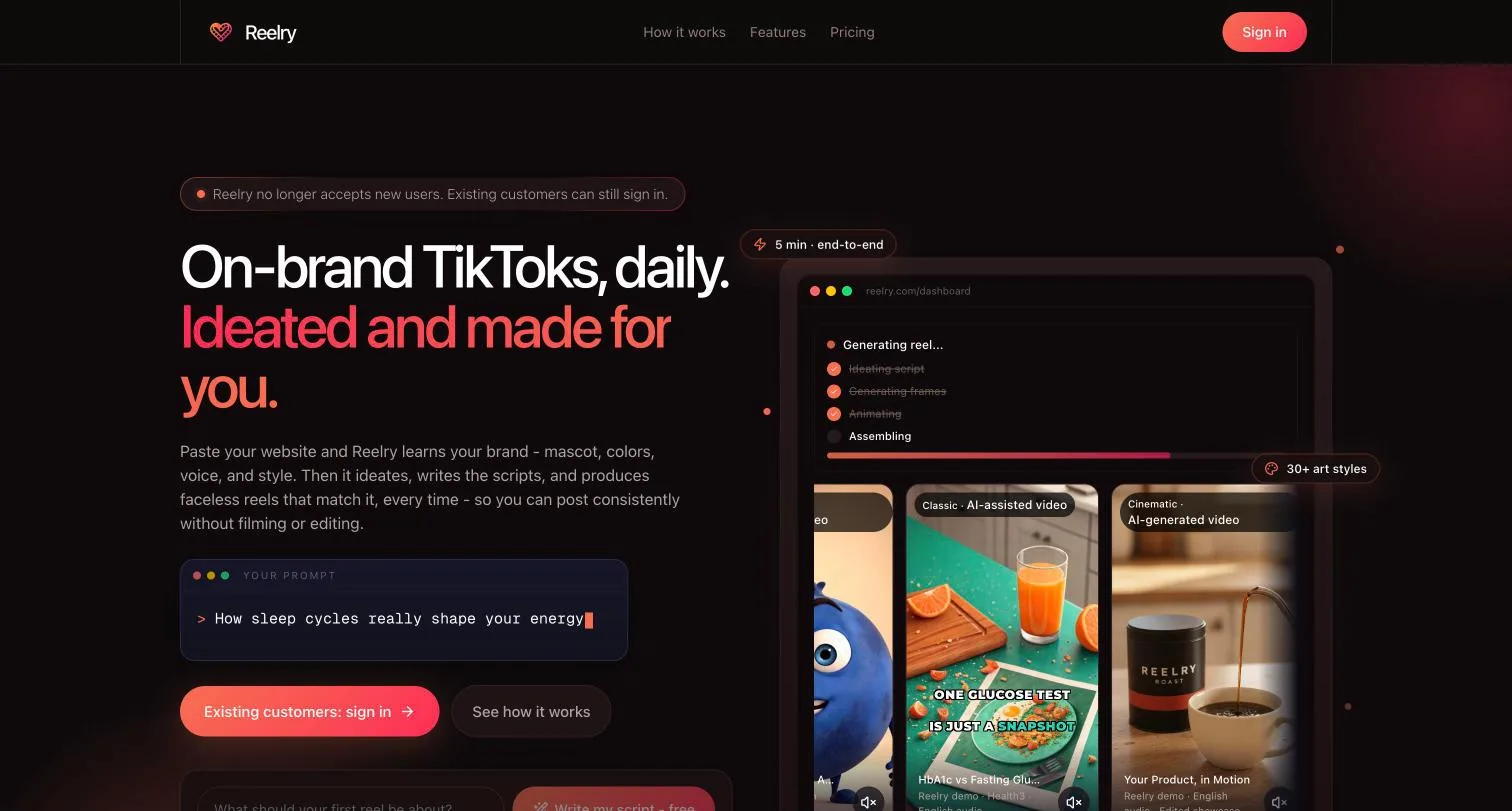
The reelry.app landing page: the headline On-brand TikToks, daily, a closed-to-new-users notice, and finished reels in a dashboard frame

The reelry.app landing, kept online as it was with sign-ups closed. Captured 27 October 2026.

Open the original landing at reelry.app

Project facts

Period
February to October 2026
Status
Closed to new accounts in October 2026
Role
Sole designer, engineer and operator
Usage
5,714 accounts and 2,705 reels
Languages
Video in 20 languages, app in 7
Shipping
1,152 merged changes in eight months

Real output

What it made

These are exports from my own demo workspace, not mockups. Customer videos stay private. Press play to watch with sound.

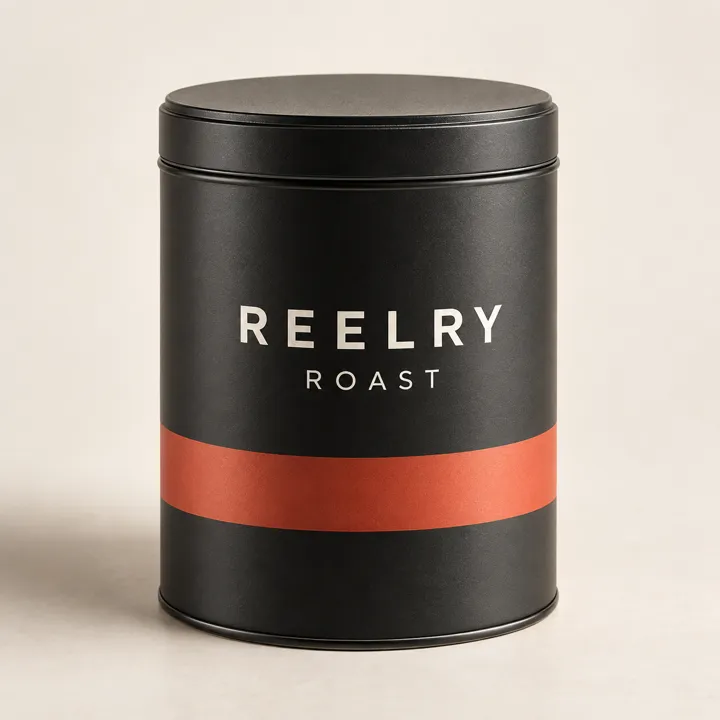
The only input: a product photo of a fictional Reelry Roast coffee tin

One product photo in

A fictional coffee brand made for the demo. This photo was the only visual input.

A finished product ad out

Cinematic mode placed the product in new scenes with narration and headlines. English, 11 seconds, edited for the showcase.

From Seed to Sprout

Cinematic mode: generated video scenes with native audio, written and narrated in Spanish. 27 seconds.

6 Powerfoods That Actually Do Something

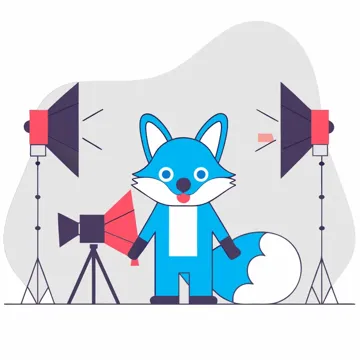
Cinematic mode: a mascot-led explainer with generated scenes and native audio. 48 seconds.

Recovery timeline for a sobriety app

Animated Art mode: generated illustrations with motion, narration and captions in the brand’s colours. 30 seconds.

More than 30 visual styles

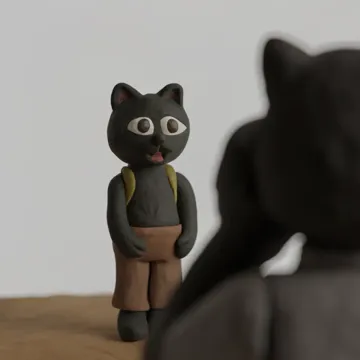
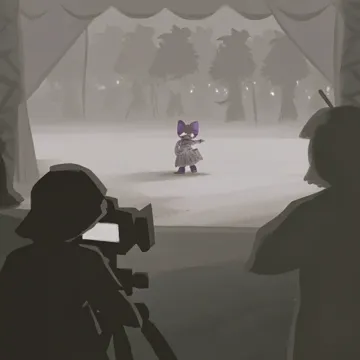
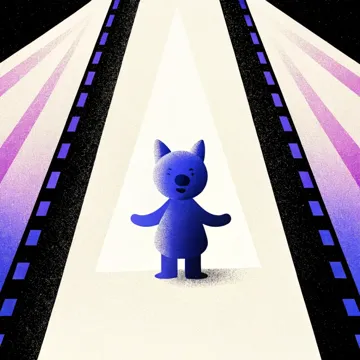
Animated Art let customers pick a look for their brand. Twenty of the style previews:

  • Illustration
  • 3D Render
  • Comic
  • Pop Art
  • Pixel Art
  • Noir
  • Pastel
  • Sketch
  • Urban Glow
  • Grainy Film
  • Storybook
  • Expressionism
  • Line Art
  • Cutout
  • Mosaic
  • Flat Design
  • Linocut
  • Photorealism
  • Retro Snapshot
  • Hard Flash

How it worked

The customer made a decision before every step that cost money.

1. Learn the brand

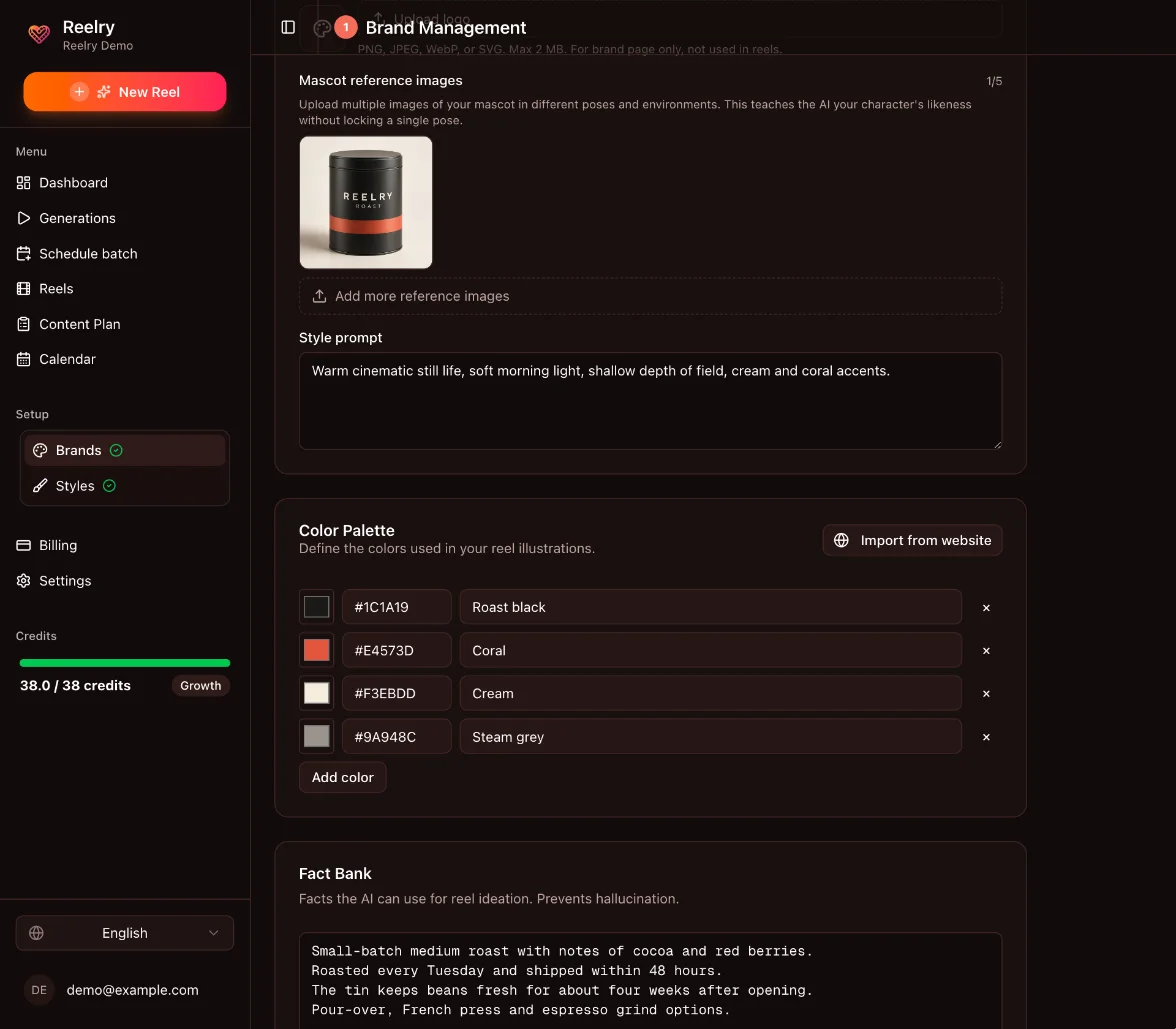
A customer pasted their website. Reelry analysed it and proposed a mascot, colours, voice, visual style and a short fact bank, which then guided every video for that brand.

2. Write and plan

Claude wrote the script and split it into scenes, one spoken beat per scene, in the chosen language and mode. Customers could also bring their own script or their own photos.

3. Approve before paying

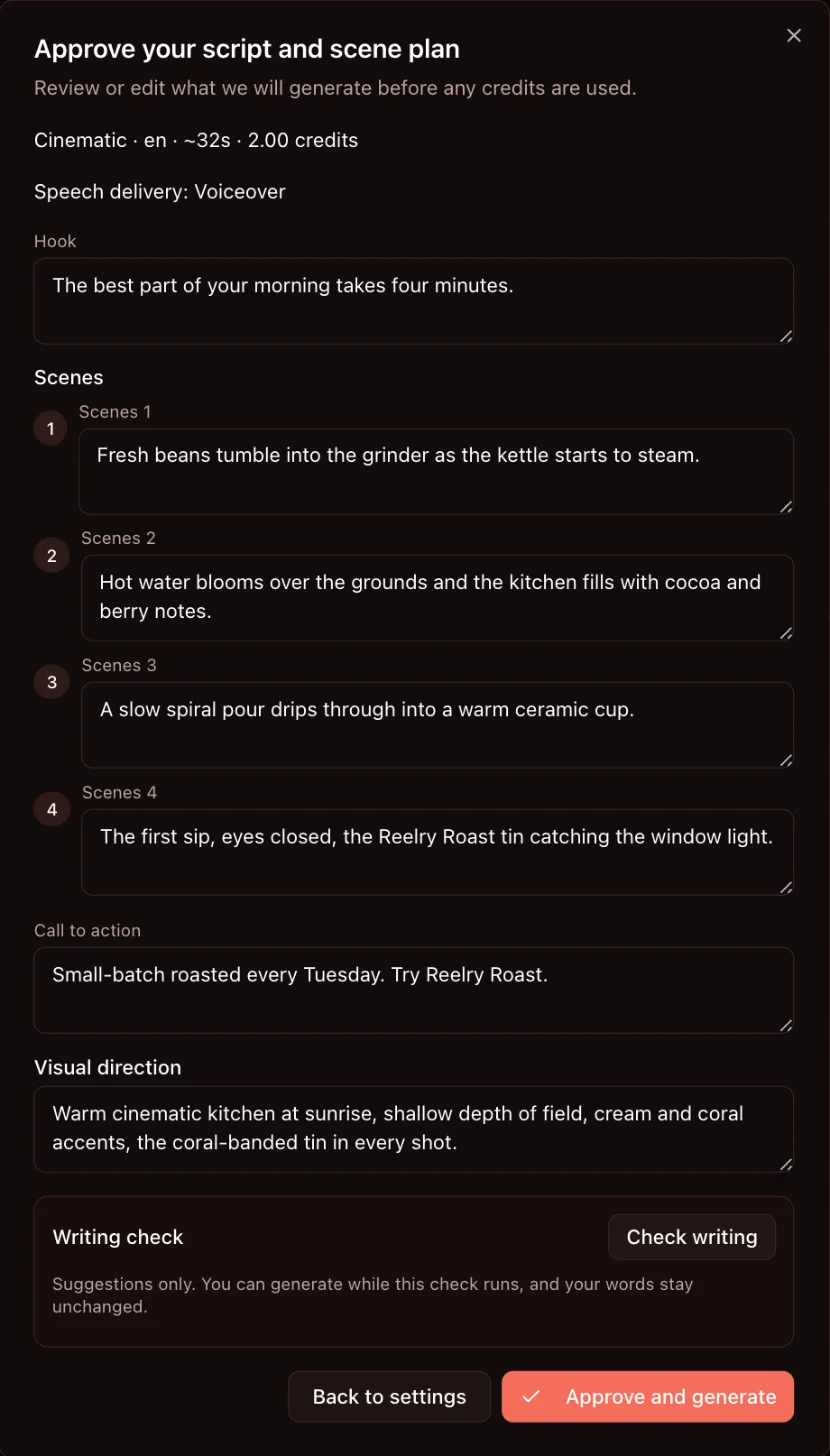
The customer edited the script and scene plan and saw the credit cost before any paid generation started. Changing an idea cost nothing; only an approved render used credits.

4. Generate, fix and post

Background jobs produced the video. A single scene could be redone or the on-screen text edited without starting over. A calendar sent posting reminders, and the upload stayed manual so creators kept native sounds, covers and captions.

Screens from the app, filled with the fictional Reelry Roast demo brand.

Reelry brand settings for the fictional Reelry Roast coffee brand: a mascot reference photo of the coffee tin, a style prompt, a four-colour palette and a fact bank
Learn the brand. Mascot images, a style prompt, a palette and a fact bank that every video drew on.
The Approve your script and scene plan dialog: a hook, four editable scenes, a call to action and a visual direction, with Cinematic, about 32 seconds and 2 credits shown before generating
Approve before paying. The script and scene plan, editable line by line, with the credit cost shown before any generation.
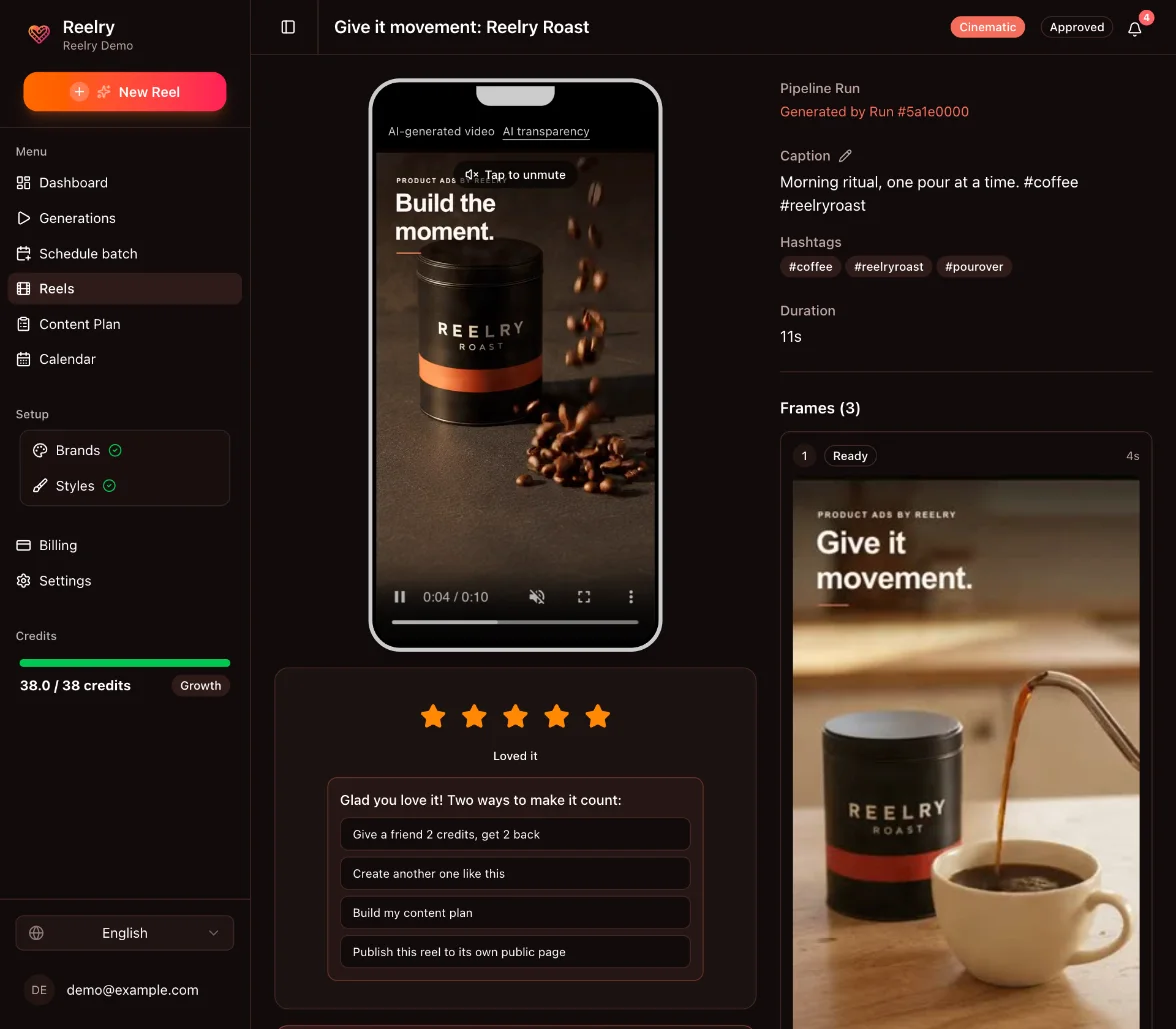
A finished Reelry product ad in the app, labelled AI-generated video and rated five stars, with its caption, hashtags and scene frames
Generate, fix and post. The finished reel with its AI label, rating, caption and scenes.

Under the hood

Each video passed through a chain of up to five external services. The engineering work was making that chain dependable and affordable.

  1. Brand analysis · Claude
  2. Script and scene plan · Claude
  3. Customer approval · Credit quote
  4. Images or video scenes · Recraft, Gemini, Google Veo
  5. Motion · Runway
  6. Voice and music · ElevenLabs, CC0 music library
  7. Assembly · Shotstack
  8. Quality checks · Media checks, multimodal review
  9. Label and provenance · C2PA signature, watermark

Failures resume instead of restarting

Each stage ran as a checkpointed background job with stored results. When a provider timed out or rate-limited a request, the job continued from the last finished stage, so completed frames and audio were not generated again.

Spending stops before it starts

Monthly, daily and per-video caps on video generation reserved the cost before each job, so parallel requests could not overshoot them. A plan that failed its own review twice stopped before any image or video spend, and the credits went back.

Customers decide what good means

Technical checks and a multimodal review looked at every finished video, and a clear failure got one free private replacement. Customer ratings, not the automated checks, set the quality target.

Labelled, signed and verifiable

From September 2026, finished videos carried a label describing how AI was involved, such as “AI-generated video” or “AI narration over supplied photos”. Exports were signed with C2PA Content Credentials, timestamped, and given an invisible watermark in every frame.

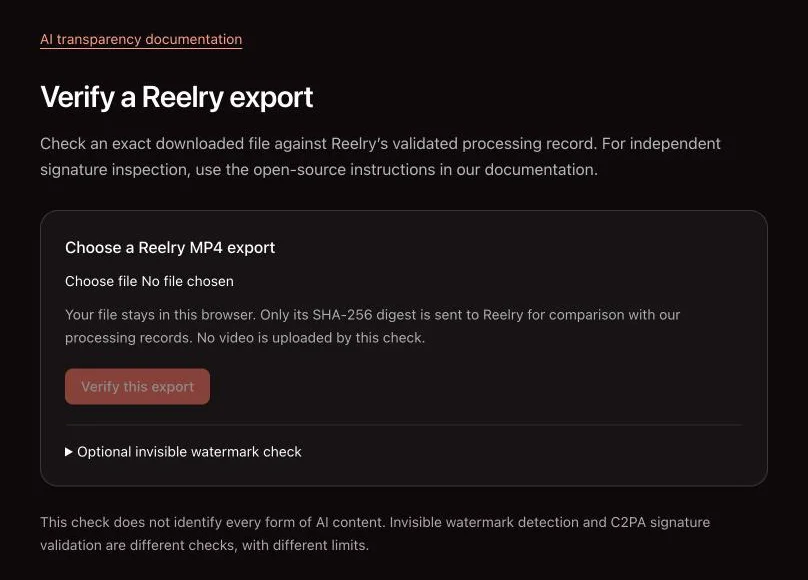
A public verifier lets anyone check a downloaded file. The video stays in the browser; only its fingerprint is compared. I built this to support the transparency duties that come with the EU AI Act, and the documentation states its limits instead of claiming compliance.

Read Reelry’s AI transparency documentation
The Verify a Reelry export page with a file picker and an optional invisible watermark check

The public export verifier, still online at reelry.app/ai-transparency/verify.

Growth came from ChatGPT, not Google

From May to October 2026, about half of tracked first visits and sign-ups came from ChatGPT answers, more than from Google search. ChatGPT mostly linked to Reelry’s own roundups of AI video tools, written as structured, factual comparisons.

Google grew too, from a handful of clicks in April to almost 2,000 in August. An audit that month showed most of the 2,769 sitemap URLs earned few clicks, so I cut it to the roughly 800 that did.

What I learned, and why it closed

Reelry worked as software. The business around it taught me more.

Acquisition outran monetization

Thousands signed up and about half started a video, but far fewer paid. Traffic was the easier half of the product.

AI search sends people looking for free tools

ChatGPT sent people looking for free video generators. The offer has to fit that intent on the first screen.

Every AI video has a real cost

Each video paid several AI providers, so free tiers, retries and repairs need limits. Reelry cut its free tier and added spending caps.

Payments need a plan B for AI products

Payment providers increasingly exclude AI video. When Reelry’s provider ended support in autumn 2026, I paused billing and sign-ups instead of rushing a migration.

A clean wind-down

On 23 October 2026 I closed Reelry to new accounts. Customers kept access and their credits, and retired pages redirect to the original landing.

What this means for your project

If your product depends on AI models, the same pieces apply: a review step before anything costs money, background jobs that survive provider failures, budget caps, honest labelling, and a payment setup that accepts your category. I can help you plan those before the first release.

For your technical team

Next.js, React, TypeScript and Tailwind on Vercel; Supabase with PostgreSQL, Auth and Storage; Inngest for checkpointed background jobs. AI services: Claude by Anthropic for brand analysis, scripts, plan review and quality review; Recraft and Gemini for images; Google Veo for Cinematic scenes; Runway for motion; ElevenLabs for narration; Shotstack for assembly. Provenance with C2PA Content Credentials and Adobe TrustMark; PostHog EU for analytics; Resend and web push for reminders. About 1,800 automated tests (September 2026), 116 database migrations and 38 background functions.

Building an AI-powered product?

Tell me what users should be able to do. I'll help scope the first version, including the interface, AI workflow, and running costs.

Discuss your idea